

Extended Warranty Robocall Scam or Legit? 10 Red Flags to Know
Extended warranty robocall scam calls have become so common that "we've been trying to reach you about your car's extended warranty" is now a national punchline. But behind the memes lies a serious problem: billions of illegal calls, hundreds of millions in consumer losses, and an erosion of trust that affects legitimate businesses across the vehicle service contract industry.
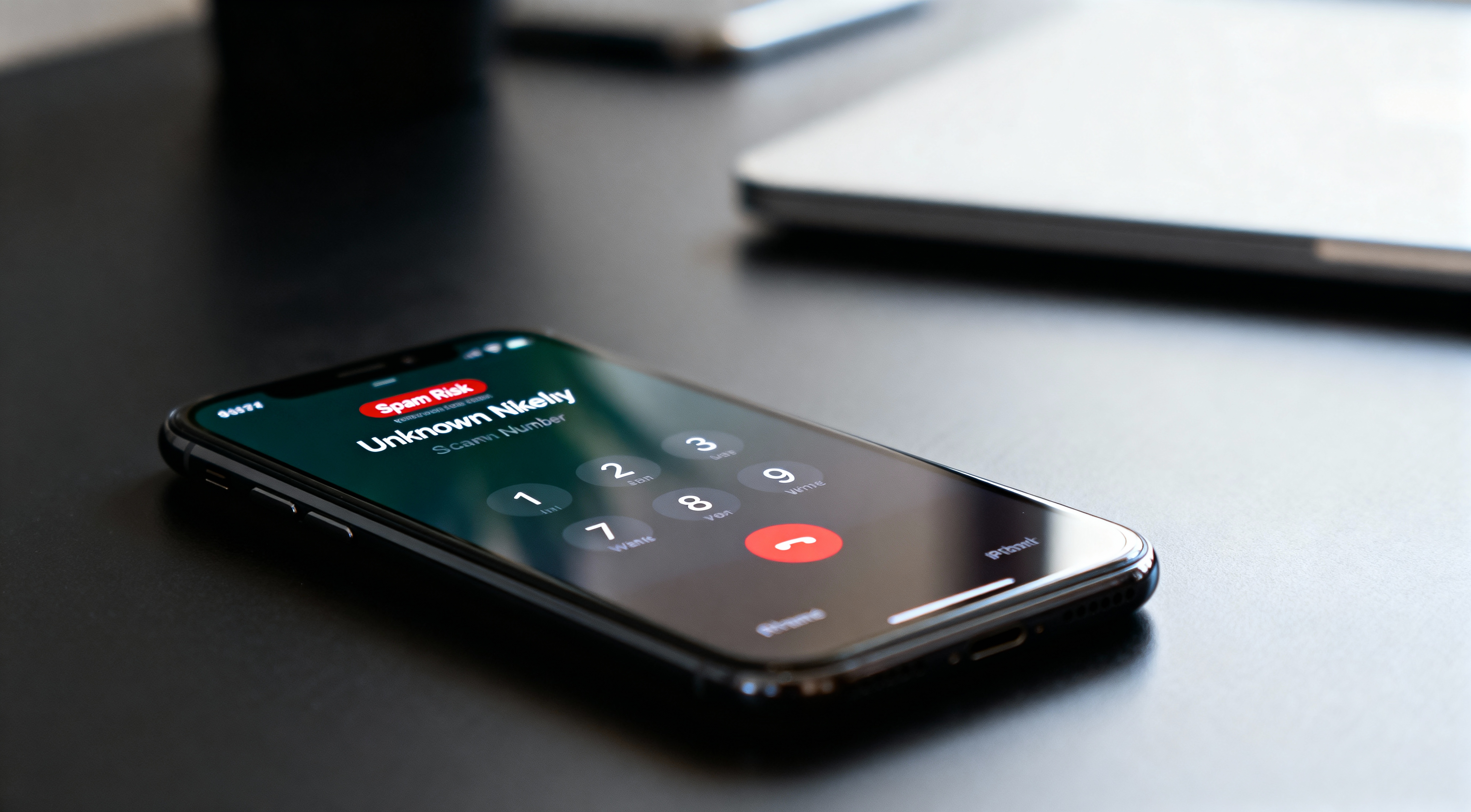
When your phone flags a call as "Spam Risk," trust it—especially for warranty-related calls.
This guide covers everything you need to know about auto warranty robocall scams—how they work, how to identify them, and what to do if you receive one.
The Scale of the Extended Warranty Robocall Scam Problem
Extended warranty robocall scam operations aren't just annoying—they represent one of the largest illegal robocall operations ever investigated by federal authorities. The numbers tell the story:
According to the Federal Communications Commission (FCC), auto warranty robocalls generated more consumer complaints than any other type of unwanted call. At their peak in June 2022, scammers made nearly one billion auto warranty calls in a single month.
The Federal Trade Commission (FTC) received over 126,000 reports of auto-related fraud in just the first nine months of 2023, making it the sixth most commonly reported fraud category overall.
How Extended Warranty Robocall Scam Calls Work
Understanding the mechanics of an extended warranty robocall scam helps you recognize them instantly. Here's how a typical warranty scam call operates:
If you press 1, you're connected to a "representative" who will attempt to:
- Extract personal information — name, address, vehicle details, and eventually payment information
- Create urgency — claiming your warranty is expiring immediately or you'll lose special pricing
- Collect payment — for a "warranty" that either doesn't exist or provides virtually no actual coverage
Where Scammers Get Your Information
Many people wonder how scammers know their phone number or even details about their vehicle. The information comes from multiple sources:
- Data breaches — Personal information from breached databases is sold on the dark web
- DMV records — Some states sell driver's license and vehicle registration data
- Data aggregators — Companies that compile consumer data from various sources
- Purchased phone lists — Bulk phone number lists are readily available for purchase
- Random dialing — Some operations simply dial numbers sequentially
The fact that a caller knows your name or car model doesn't make the call legitimate. Scammers often have access to just enough information to sound convincing.
10 Red Flags That Identify an Extended Warranty Robocall Scam
What Legitimate Warranty Providers Actually Do
The contrast between scam operations and legitimate vehicle service contract providers is stark. Here's what to expect from a legitimate company:
Quick Comparison: Scam vs. Legitimate
| Behavior | Scam Operation | Legitimate Provider |
|---|---|---|
| Initial Contact | Unsolicited robocall | Customer-initiated inquiry |
| Information Provided | Vague, refuses to send details | Full contract available for review |
| Sales Pressure | "Act now or lose this offer" | Take your time to decide |
| Payment | Large sum immediately, wire/gift cards | Monthly options, standard methods |
| Company Info | Can't verify, no track record | BBB rated, verifiable history |
| Cancellation | Impossible to cancel or get refund | Clear cancellation policy in writing |
Government Crackdown on Extended Warranty Robocall Scam Operations
Federal agencies have taken significant action against extended warranty robocall scam operations. Here's a timeline of major enforcement actions:
These enforcement actions have had measurable impact. After the FCC's July 2022 order, auto warranty scam calls dropped by approximately 99% according to industry tracking data. However, scammers continually adapt, and new operations emerge to replace those that are shut down.
How to Protect Yourself From Extended Warranty Robocall Scam Calls
If You Receive a Suspected Extended Warranty Robocall Scam
- Hang up immediately. Don't press any buttons, don't say "yes" to any questions, and don't engage with the caller. Any interaction confirms your number is active.
- Don't call back. Even if the voicemail sounds legitimate, don't return the call. If you think it might be a real company, look up their official number independently and call that instead.
- Never provide personal information. No legitimate company will ask for Social Security numbers, credit card details, or bank information on an unsolicited call.
- Block the number. While scammers frequently change numbers, blocking known scam numbers reduces overall call volume.
- Report the call. Filing complaints helps authorities identify and shut down illegal operations (see reporting resources below).
Proactive Protection Steps
- Register with the Do Not Call Registry at DoNotCall.gov or call 1-888-382-1222. While this won't stop illegal robocallers (who ignore the list), it reduces legitimate telemarketing calls and makes scam calls easier to identify.
- Enable your phone's spam filtering. Most smartphones have built-in call screening that labels suspected spam. iPhone users can enable "Silence Unknown Callers." Android phones offer similar features.
- Consider call-blocking apps. Third-party apps like RoboKiller, Nomorobo, and Hiya use crowd-sourced databases to identify and block known scam numbers.
- Check with your carrier. Many phone providers offer free or paid call-blocking services. Contact your carrier to see what options are available.
- Don't answer unknown numbers. If someone legitimate needs to reach you, they'll leave a voicemail. Letting unknown calls go to voicemail is one of the most effective protection strategies.
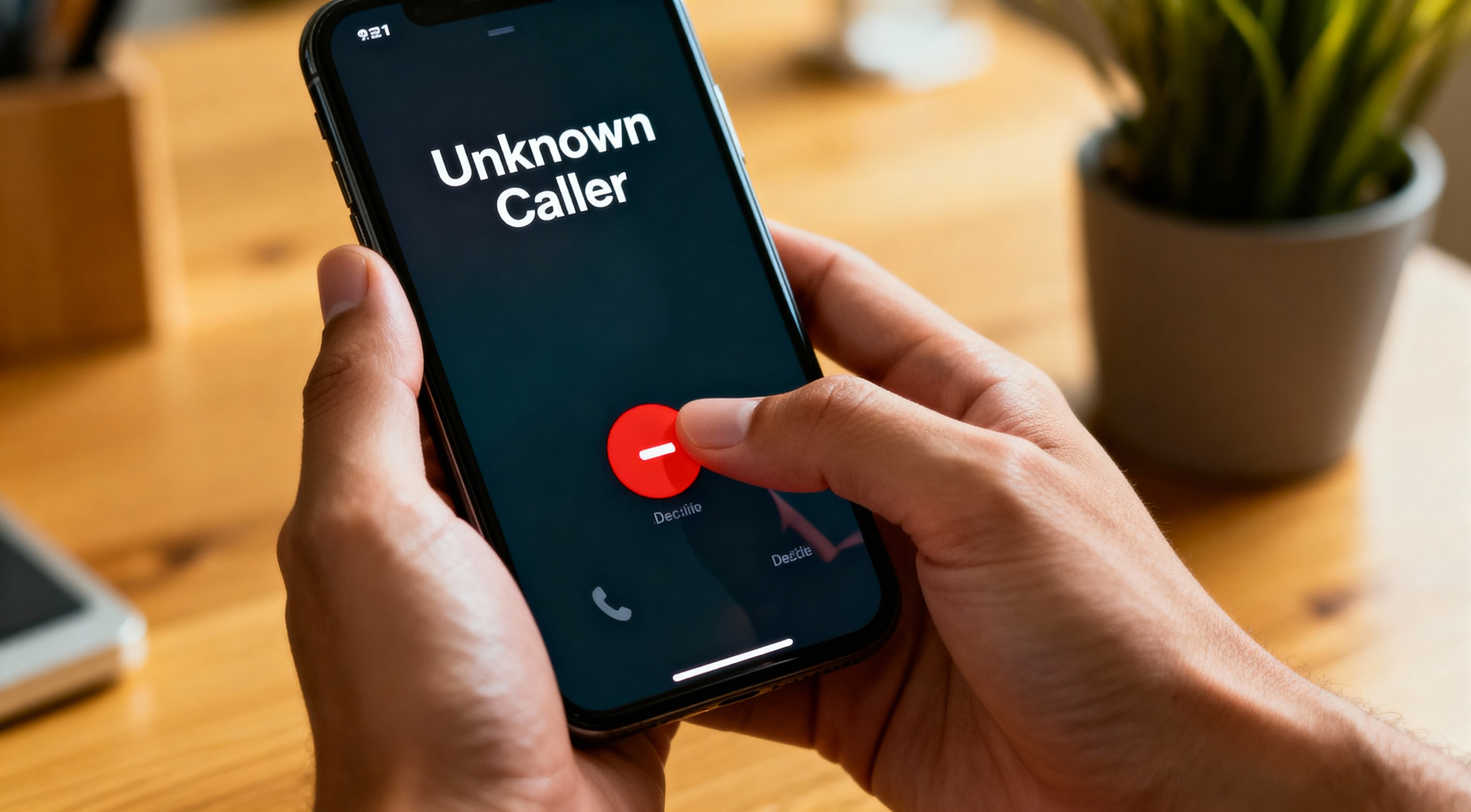
The safest response to an unknown warranty call: don't answer, or hang up immediately.
How to Report Extended Warranty Robocall Scam Calls
Reporting extended warranty robocall scam calls helps federal agencies identify patterns, build cases against illegal operations, and improve call-blocking tools used by carriers and apps. Every report matters.

The FTC and FCC are the primary federal agencies handling robocall complaints.
Official Reporting Resources
Report unwanted calls and robocalls. The FTC uses complaints to identify scammers and publishes data daily to help carriers block illegal calls.
DoNotCall.gov/report.html • Phone: 1-888-382-1222
Report violations of robocall and telemarketing rules. The FCC uses complaints to take enforcement action against violators.
FCC.gov Consumer Complaint Center
If you lost money or provided personal information to scammers, report the fraud directly to the FTC.
ReportFraud.FTC.gov
Your state AG may investigate local telemarketing fraud. Find contact information at USA.gov/state-attorney-general
Forward suspicious text messages to 7726 (SPAM). Your carrier uses these reports to block future spam texts.
If You’ve Already Fallen Victim to an Extended Warranty Robocall Scam
If you provided payment information or personal details to a suspected extended warranty robocall scam operation, take these steps immediately:
- Contact your bank or credit card company. Dispute the charges and request a new card number. Many financial institutions have fraud protection that may help you recover lost funds.
- Place a fraud alert. Contact one of the three credit bureaus (Equifax, Experian, or TransUnion) to place a fraud alert on your credit file. The bureau you contact must notify the other two.
- Monitor your accounts. Watch for unauthorized charges or new accounts opened in your name. Consider a credit monitoring service.
- File official reports. Report to the FTC at ReportFraud.FTC.gov and consider filing a police report for identity theft.
- Document everything. Keep records of all communications, charges, and steps you've taken. This documentation may be needed if you pursue legal action or claim refunds.
Frequently Asked Questions About Extended Warranty Robocall Scams
The Bottom Line on Extended Warranty Robocall Scam Calls
Extended warranty robocall scam operations represent one of the most persistent consumer scam operations in recent history. While federal enforcement has significantly reduced their volume, vigilance remains essential.
The rules are simple:
- Unsolicited robocalls selling warranties are illegal
- Legitimate providers don't cold-call strangers
- Never provide personal or payment information to unsolicited callers
- When in doubt, hang up and research independently
- Report scam calls to help authorities protect others
If you're genuinely interested in vehicle service contract coverage, do your research on your own terms. Visit company websites directly, request information in writing, review contracts before committing, and never let high-pressure tactics rush your decision.
Before purchasing any used vehicle, it's also smart to run a vehicle history report to check for hidden damage, salvage titles, or auction history that could affect your coverage options and long-term costs. Services like VinPassed provide auction photos, dealer cost data, and repair estimates that other reports miss—giving you leverage in negotiations and peace of mind about the vehicle's true condition.
The best defense against warranty scams is an informed consumer.